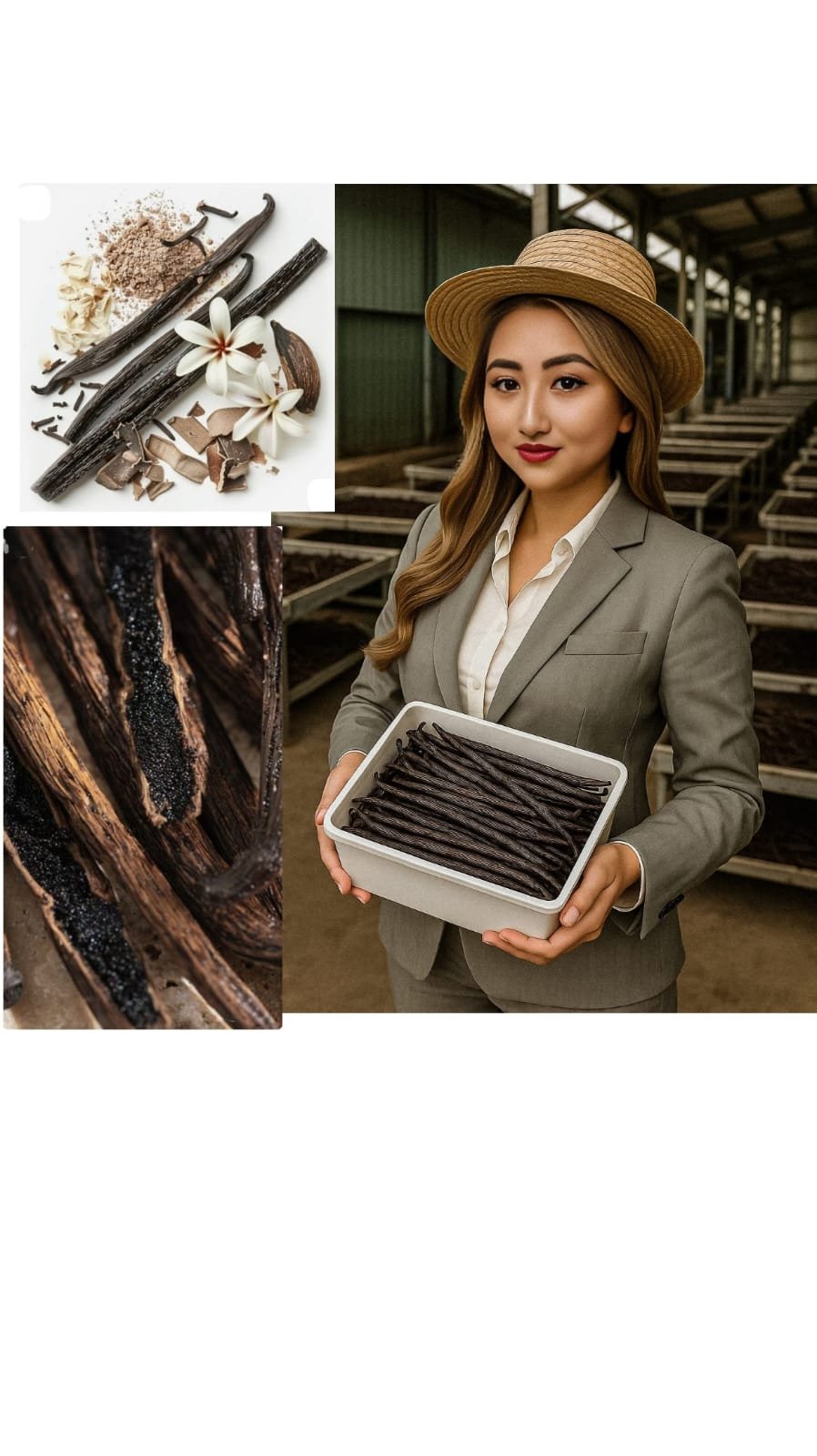
Vanilla quality is determined by several factors including appearance, aroma, vanillin content, and moisture level. High-quality vanilla beans, often labeled as Grade A or gourmet, are typically dark, plump, oily, and flexible, with a strong, aromatic vanilla fragrance. Moisture content is also a key indicator, with higher moisture generally signifying better quality. The vanillin content, which is the primary flavor component, should be within a specific range (e.g., 0.75% to 1.5% weight per weight).
Here’s a more detailed breakdown:
Appearance:
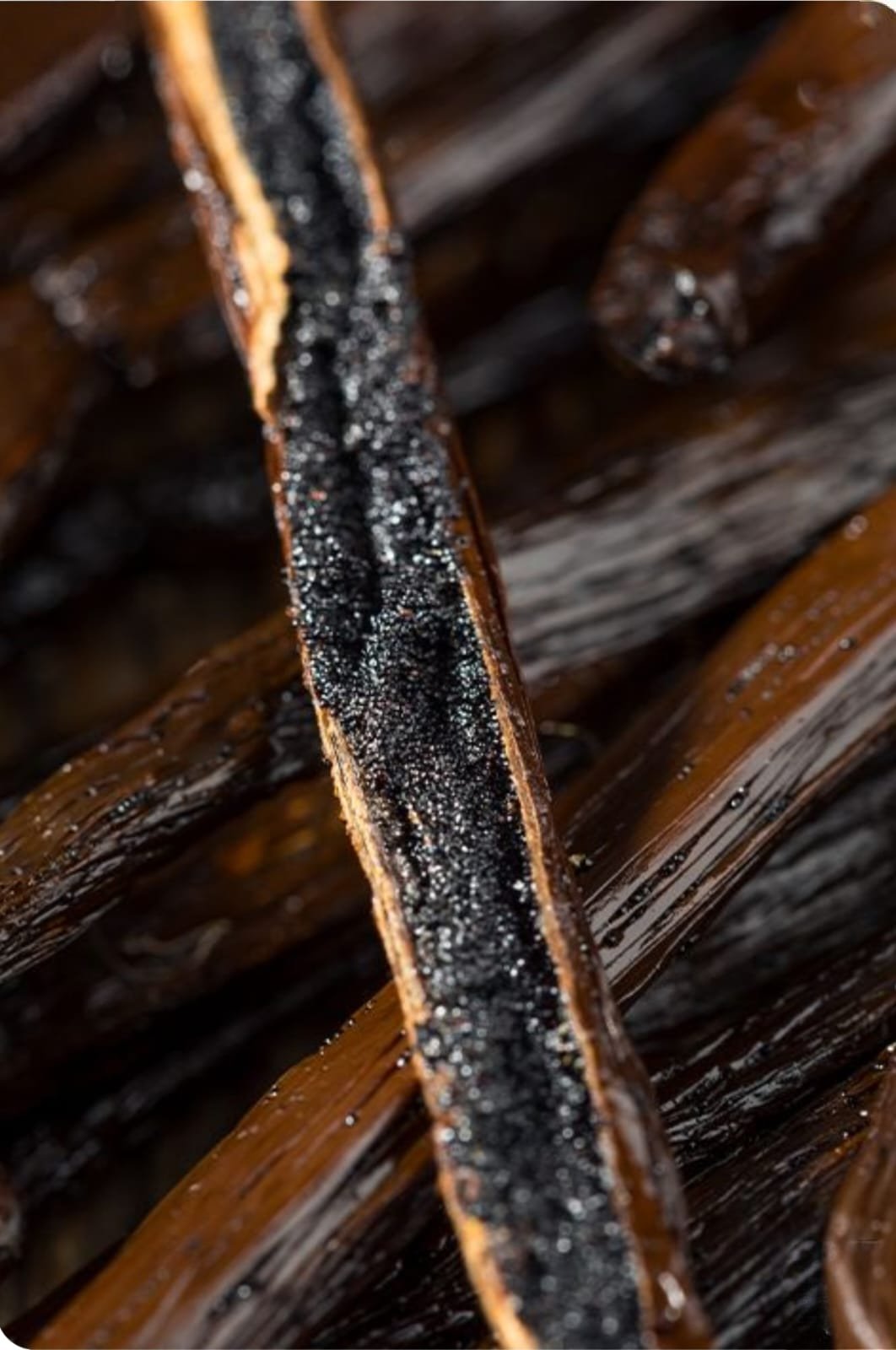
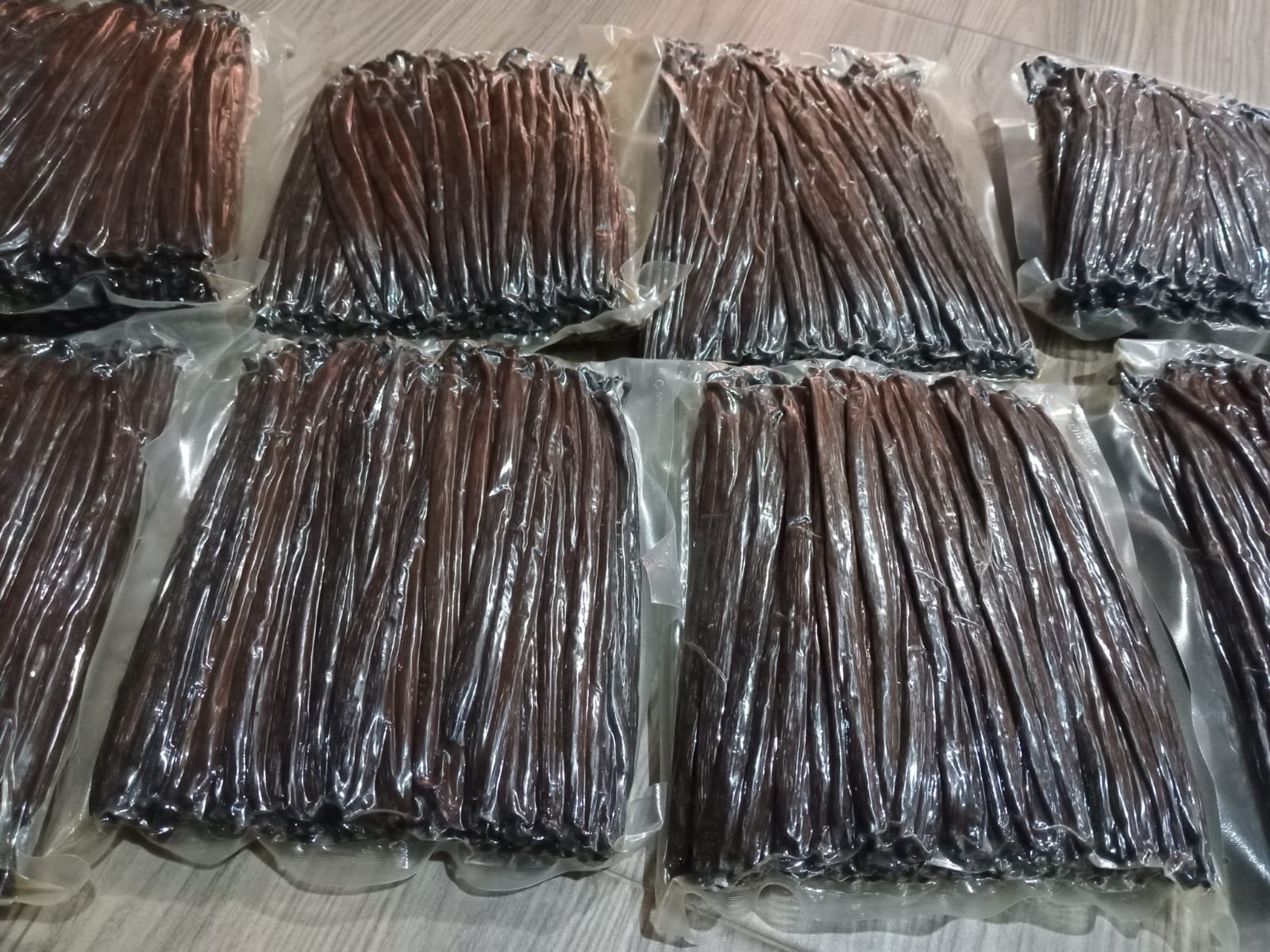
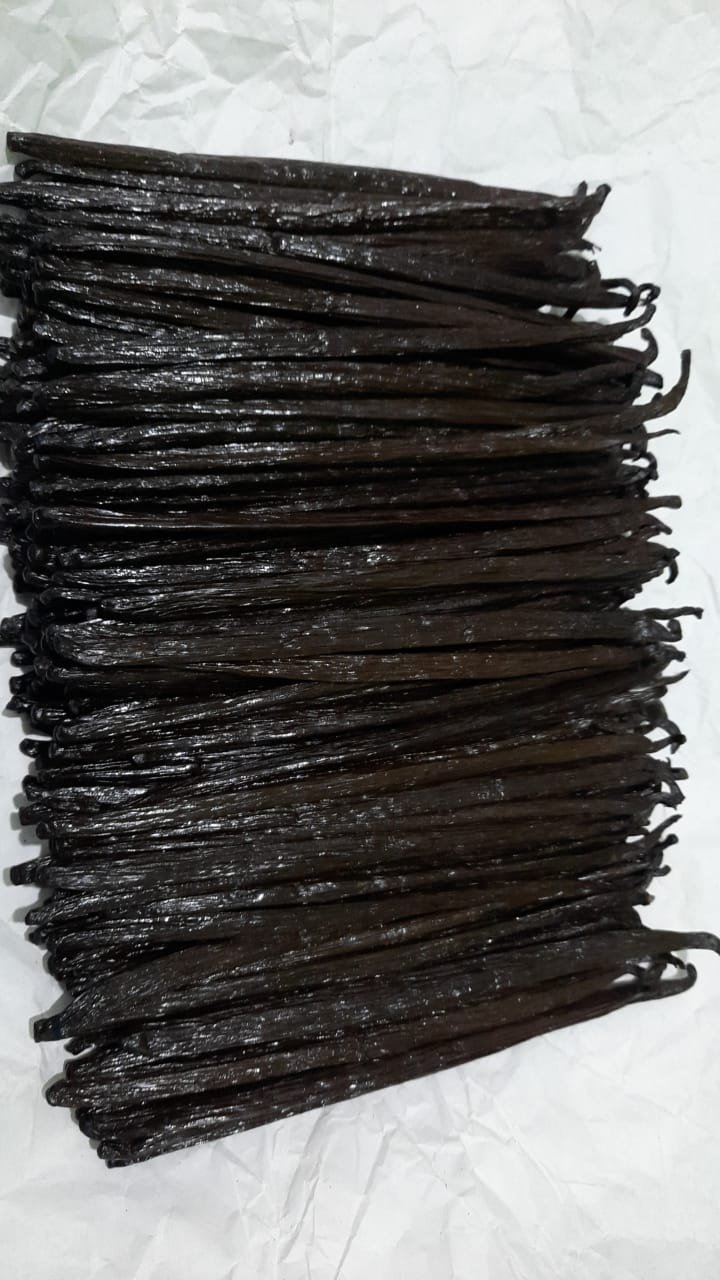
Color: High-quality beans are typically dark brown to black, with a glossy, oily sheen.
Texture: They should be plump, pliable, and supple, not brittle or cracked.
Condition: Look for beans that are free from blemishes, mold, or other imperfections.
Length: While not always a definitive indicator, longer beans often indicate a higher vanillin content.
Aroma:
Fragrance: The scent should be strong, rich, and sweet, with notes of vanilla, caramel, or wood.
Intensity: A weak or altered aroma can indicate lower quality.
Vanillin Content:
Range:
Good quality beans generally have a vanillin content between 0.75% and 1.5%.
Impact on Flavor:
Vanillin is the primary flavor component, so higher vanillin content generally results in a more intense vanilla flavor.
Moisture Content:
Ideal Range: The ideal moisture content varies by type, but generally falls between 25-35%.
Impact on Preservation: Adequate moisture helps to preserve the bean’s flavor and aroma.
Other Considerations:
Source:
Vanilla beans from different regions may have varying characteristics and qualities.
Curing Process:
The curing process significantly impacts the final quality and flavor profile.
Price:
While price isn’t always an indicator of quality, extremely low prices can be a red flag.

Popular Product
Open Hours
Monday - Saturday
07:00 - 17:00